Dunellen General Contractor for Home Improvement and New Construction
Dunellen General Contractor for Home Improvement and New Construction
Blog Article
Why Determining the Best General Contractor Is Crucial for Your Project
Identifying the right general contractor is a pivotal decision that can greatly influence a project's fruition. A suitable contractor secures efficient management and sticking to budgets. Their competence to navigate problems and foster distinct communication is essential. However, many building principals overlook critical variables in this selection cycle. Appreciating these particulars can lead to better consequences and heightened contentment. What should one consider when making this significant choice?
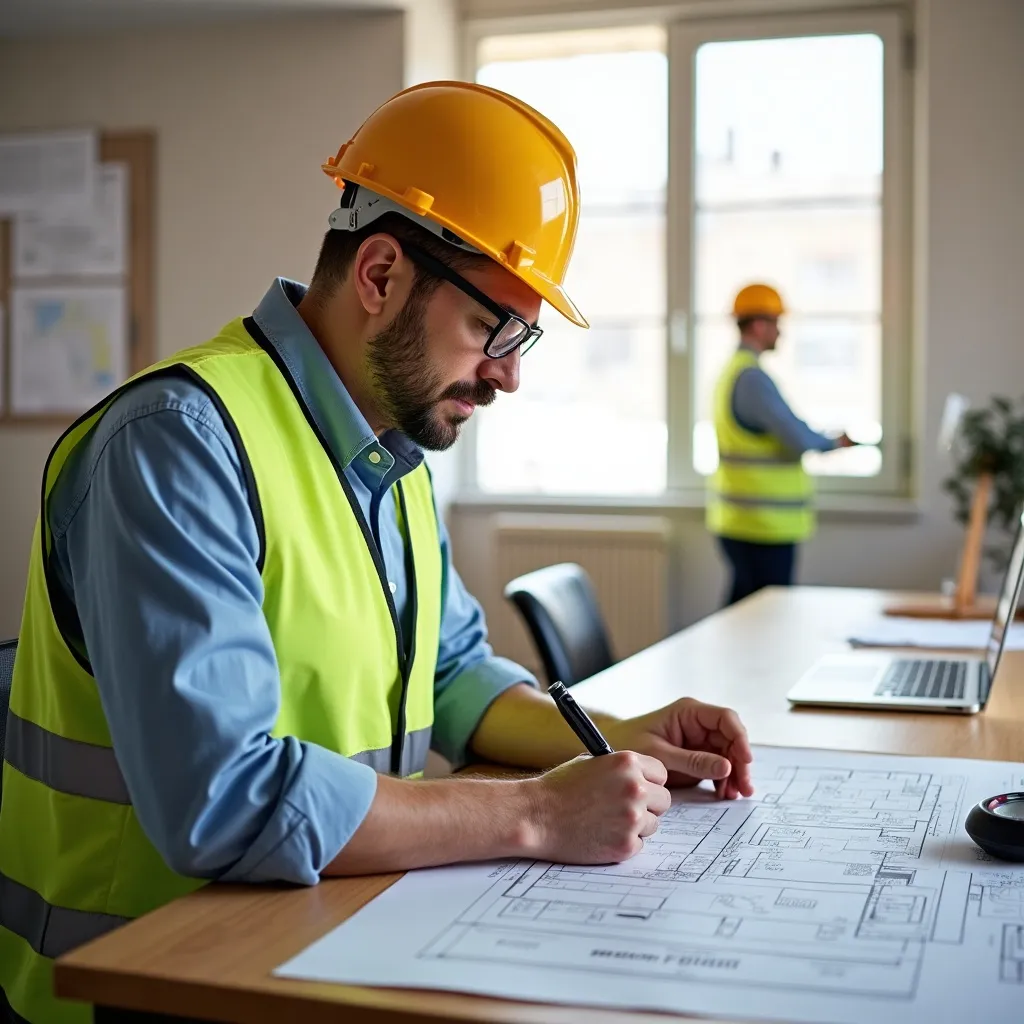
Typical Complications in Choosing a General Builder
When selecting a general contractor, prospective customers often face numerous typical difficulties that can hinder the selection process. One significant hurdle is the vast quantity of options available, which can lead to confusion and indecision. Customers may struggle to differentiate between contractors based on credentials, background, and cost, rendering it challenging to identify who will best meet their construction requirements.
A further problem is the lack of transparency in contractor quotations, where hidden costs may come to light, modifying the project budget. Likewise, clients may face issues related to communication; some contractors may fail to inform clients consistently throughout the process, leading to frustration. In the end, clients often grapple with substantiating a contractor's endorsements and historical work, which can lead to uncertainty about the quality of service expected. These challenges necessitate careful consideration and research to confirm the optimal choice is undertaken.
Necessity of a Responsible General Contractor
A trustworthy general contractor plays an essential role in ensuring efficient project management and maintaining quality standards. Their expertise helps optimize processes, reducing costs and delays. Additionally, a dependable contractor upholds high standards, resulting in excellent workmanship and customer satisfaction.
Enhance Project Organization Efficiency
Successful project management relies on the dependability of a general contractor. A reliable contractor guarantees that timelines are respected, resources are efficiently allocated, and communication flows effortlessly among all stakeholders. Their ability to manage subcontractors, suppliers, and laborers directly affects the project's progress and success overall. A dependable contractor predicts challenges, applies solutions quickly, and stays focused on goals, minimizing delays and controlling cost overruns. This efficiency creates a collaborative atmosphere, enabling adjustments and improvements as needed. Ultimately, the general contractor's trustworthiness enhances both project operations and trust among clients and team members, guaranteeing all stakeholders stay coordinated towards a successful conclusion.
Quality Assurance Protocols
Dependable builders serve a pivotal role in upholding quality assurance standards during the entire project. They guarantee that every task complies with established guidelines and industry protocols, which remains crucial to the durability and safety of the structure. A competent contractor holds strict oversight over materials and workmanship, performing regular inspections to find and resolve problems quickly. This proactive approach reduces risks linked to inferior construction, in turn safeguarding the investment. Furthermore, a reliable contractor encourages communication among all stakeholders, ensuring clear and fulfilled expectations. By focusing on quality assurance, a skilled general contractor not only enhances the end product but also gains trust with clients, laying the groundwork for successful project results.
Examining a Professional's Qualifications and Reputation
When selecting a general contractor, grasping their background and standing is critical, as these components profoundly affect project outcomes. A contractor's experience generally reflects their ability to oversee various kinds of projects, complexities, and challenges. Reviewing their work history provides understanding into previous work, showcasing craftsmanship and careful attention to detail.
Furthermore, track record plays a crucial role in building trust. Prospective clients should look for web-based feedback, testimonials, and references to assess satisfaction levels from previous clients. Engaging with past customers can uncover the contractor's reliability, communication skills, and compliance with timelines and budgets.
Moreover, industry affiliations and credentials can enhance a contractor's trustworthiness, indicating a dedication to excellence and ethical practices. By thoroughly evaluating both expertise and reputation, clients can choose wisely, ultimately setting the stage for a thriving construction project.
Key Attributes of a Trustworthy Contractor
A trustworthy contractor regularly demonstrates honesty, openness, and strong interpersonal abilities. These vital qualities create the basis of a prosperous working relationship. Integrity guarantees the contractor conforms to ethical practices, offering honest assessments and realistic timelines. Openness entails fully disclosing project details, including expenses and potential challenges, building trust between the contractor and the client.
Excellent communication skills permit the contractor to effectively express ideas, listen to client expectations, and address any concerns that arise during the project. In addition, a dependable contractor showcases adaptability, responding to changes and unexpected circumstances with composure and resilience. Attention to detail is one more important trait; it demonstrates a commitment to excellence and accuracy in every element of the work. At the end of the day, these characteristics not only boost project outcomes but also foster a positive experience for clients, making the selection of a trustworthy contractor all the more essential.
Key Questions for Hiring Your General Contractor?
How can one ensure they pick the appropriate general contractor for their project? By posing a series of specific questions, potential clients can more effectively assess candidates. To begin, asking about the contractor's experience with similar projects provides insight into their expertise. It's also crucial to ask for references; speaking with previous clients can show the contractor's trustworthiness and quality of work.
Following this, assessing licensing and insurance establishes that the contractor adheres to legal requirements and safeguards the client from potential liabilities. Clients should further ask about timelines and project management approaches to gauge how the contractor intends to oversee the project effectively.
Budget conversations are essential; asking for a detailed estimate prevents unexpected costs later. Finally, understanding the contractor's communication preferences can lay the groundwork for a successful partnership. By addressing these key questions, clients can choose wisely in selecting their general contractor.
Open Discussion Plays a Key Role With Your Contractor
Effective communication with a contractor is necessary for project accomplishment. Clarifying unambiguous parameters and delivering timely updates can avert conflicts that often lead to costly delays. Additionally, promoting an open interaction develops trust, assuring a smoother teamwork throughout the construction undertaking.
Clear Requirements Establish Success
Setting definite expectations is necessary for a strong partnership with a general contractor. Transparent communication builds the foundation for understanding the project's goals, deadlines, and budget limits. When both sides share their needs and concerns, it minimizes the chance of misunderstandings that could hamper progress. A contractor who is familiar with the exact requirements can allocate resources efficiently and tackle potential problems proactively. Furthermore, having definite expectations promotes accountability, ensuring that the contractor fulfills promises and that the homeowner stays engaged in the process. Prioritizing open communication from the start allows clients to strengthen teamwork and satisfaction, ultimately resulting in a seamless project delivery. Clear expectations not only streamline operations but also cultivate trust between the homeowner and the contractor.
Timely Information Prevent Misunderstandings
Establishing defined expectations lays the groundwork for effective teamwork, while consistent communication is equally essential. Timely updates from a general contractor can ward off confusion that may develop over the course of a job. When contractors consistently relay status reports, clients remain informed on schedules, cost changes, and potential obstacles. This proactive communication serves to synchronize each side's expectations and reduces the risk of disputes further down the line. Moreover, if problems emerge, swift notification allows for faster fixes, guaranteeing the project remains on track. By establishing a culture of transparent communication, builders show their dedication to the job's success, ultimately yielding a smoother workflow and increased client gratification. For this reason, timely communications function as a foundational element for upholding understanding and faith over the course of the construction process.
Frank Exchange Fosters Trust
As a undertaking moves forward, keeping an open dialogue with the general contractor becomes crucial for fostering trust and collaboration. Strong communication guarantees that all stakeholders have a clear understanding of expectations, timelines, and potential obstacles. When builders and customers engage in regular discussions, it allows for the identification of problems before they escalate, reducing interruptions. This transparency not only creates assurance but also enhances view this guide the overall construction experience. Furthermore, an open line of communication encourages feedback, allowing the contractor to make modifications that match the client's goals. Ultimately, effective dialogue establishes a basis of mutual respect, which is essential for the successful completion of any construction project. Confidence cultivated through communication leads to better outcomes for everyone participating.
Frequently Asked Questions
What steps should I take to confirm if a Contractor maintains a valid credential?
To establish if a contractor is licensed, one should examine local governing bodies and internet sites, validate their license number, and verify it's active. Additionally, perusing online reviews can supply understanding of their integrity and dependability.
What Protection Must My Construction Professional Maintain?
A tradesperson should carry general liability insurance, occupational injury insurance, and, if applicable, liability for professional negligence. These address potential damages, workplace injuries, and errors in workmanship, affording financial protection for both the contractor and the patron.
How Can I Check a Contractor's References?
To authenticate a contractor's endorsements, one should demand a list of previous clients, connect with them directly, and ask about their experiences. Also, analyzing internet ratings and feedback can present valuable insights into the contractor's dependability.
What Can I Take if Difficulties Develop During the Assignment?
If issues arise during the project, one should record the difficulties, communicate directly with the contractor, and work toward a solution. If necessary, bringing in a neutral third party or obtaining legal counsel may also be appropriate.
Are There Red Flags to Monitor During the Recruitment Process?
Caution signs throughout the hiring process encompass vague estimates, no references, poor communication, inadequate licenses, and adverse online reviews. These indicators suggest potential issues that could impact the timeline and quality of the project.
Report this page